
October 18, 2026
I've been thinking...
How many relationships have been lost, not because love was absent, but because grace was withheld?
How many connections have been severed because someone disappointed us, offended us, or simply failed to meet an expectation we never communicated?
And how many times have we mistaken someone's imperfection for a reason to withdraw our love?
Whew, Lord!
Sometimes we carry behaviors into adulthood that we learned long before we understood what they were teaching us.
We learned to retreat instead of communicate. To disconnect instead of reconcile. To assume someone should know better instead of recognizing that knowing better and learning better are two different things.
And sometimes, we become the very thing that once wounded us.
But here's what I'm learning...
Frustration does not have to become rejection.
Disagreement does not have to become distance.
Disappointment does not have to become the end of a relationship.
And accountability does not have to become abandonment.
We are all imperfect people learning how to love other imperfect people.
Yet we sometimes expect others to have mastered lessons that God is still teaching us.
Think about that.
We want grace when we fall short, but are we as willing to extend it when someone else falls short?
We want forgiveness when we offend, but are we willing to forgive when we've been offended?
We want mercy when we make mistakes, but do we extend that same mercy to others?
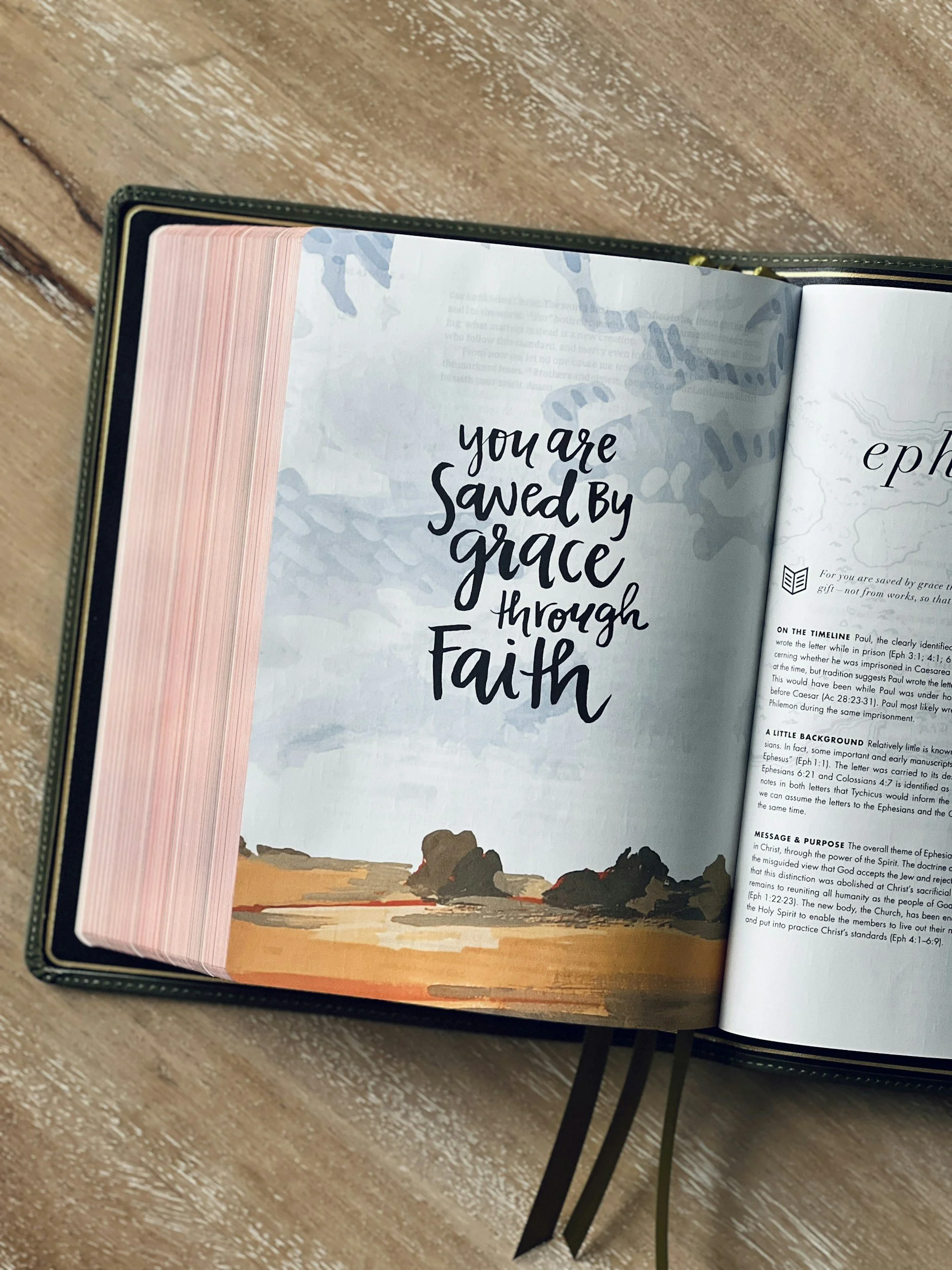
The Word tells us in Ephesians 4:32 to be kind, tenderhearted, and forgiving toward one another, just as God, through Christ, has forgiven us.
That grace wasn't purchased by our perfection.
That forgiveness wasn't earned by our flawless behavior.
And that mercy wasn't extended because we always got it right.
So who are we to withhold from others what God has so freely extended to us?
Now, hear me clearly.
Grace does not mean the absence of boundaries.
Forgiveness does not mean unlimited access.
And loving someone does not require us to repeatedly subject ourselves to behaviors that are harmful to our well-being.
But neither should every offense become a farewell.
Neither should every disagreement become a separation.
Neither should every difficult conversation become the death of a relationship.
There is a difference between protecting your peace and protecting yourself from the discomfort of growth.
Sometimes love requires a conversation.
Sometimes love requires correction.
Sometimes love requires an apology.
And sometimes love requires us to look inward and ask, Lord, is there something in me that You are trying to change?
Because spiritual maturity isn't just about how much Scripture we know, how often we pray, or how beautifully we worship.
It's also about how we respond when people disappoint us.
How we communicate when we're frustrated.
How we receive correction when we're wrong.
And how we extend grace when someone else is still learning.
I'm learning that age does not automatically produce wisdom. Time does not automatically produce maturity. And experience does not automatically produce understanding.
Some lessons have to be learned intentionally.
Some patterns have to be unlearned.
And some cycles have to end with us.
I don't want to become so skilled at recognizing everybody else's shortcomings that I become blind to my own.
I don't want to profess love while practicing rejection.
I don't want to sing about God's grace and then become unwilling to extend it.
I want my life to reflect the very God I say I love.
Not perfectly.
But intentionally.
Not without mistakes.
But with humility.
Not without boundaries.
But with compassion.
Because the goal isn't to become a person who never gets frustrated, never feels disappointed, or never experiences conflict.
The goal is to become someone who can experience those things without allowing them to dictate how we love.
And perhaps that's where true transformation begins.
When we stop expecting perfection and start making room for growth.
When we learn to respond instead of react.
When we understand that we can dislike a behavior without disliking the person.
And when we finally realize that love, accountability, forgiveness, and boundaries can coexist.
Lord, teach us to love people without trying to control them.
Teach us to extend grace without abandoning wisdom.
Teach us to receive correction without interpreting it as rejection.
And teach us to recognize that the same patience we desire from others is the patience we must be willing to extend.
Because if we are going to profess to know You, let our lives demonstrate that we are learning to love like You.
Frustration doesn't have to become rejection. Disagreement doesn't have to become distance. And disappointment doesn't have to become the end of a relationship.
Sometimes, it can become the beginning of understanding.
And sometimes, understanding is where healing begins.
Transformation isn't just about becoming someone new. Sometimes it's about unlearning what we were taught to believe love was supposed to look like.
— LeYonce
If this reflection resonated with you, you can support the work and explore the books and products available in my shop.
Shop here: https://www.arhemaword.com
© 2026 L'Tanya ArhemaWord Publishing, LLC. All rights reserved.
Unauthorized use, copying, or reproduction of this content is strictly prohibited.
